

Continue reading Bursa-Wolf, Coordinate Frame, and Position Vector Transformations
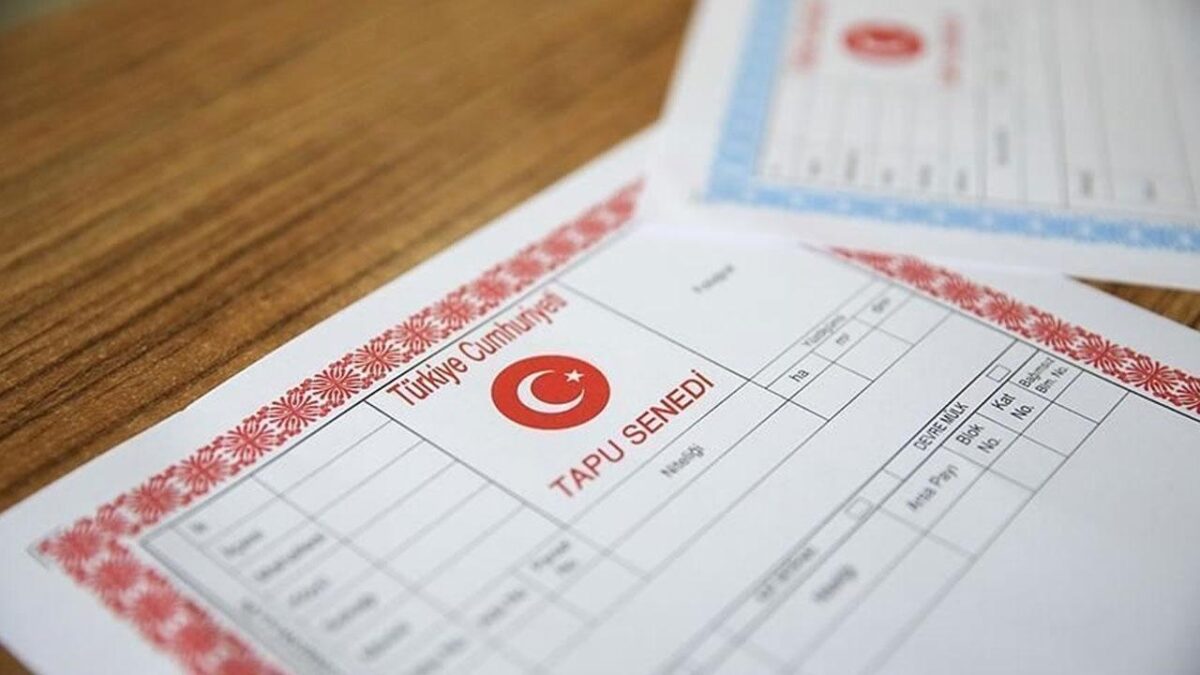
The desktop application called Tecviz Calculation, which I prepared in 2014, has been downloaded and used by tens of thousands of people so far. However, with the regulation named “REGULATION ON DETERMINATION OF THE LIMIT OF Error in Land Registry Plans” published in the Official Gazette dated September 27, 2022, the calculation method for the appropriation account, which has been used until today, has been completely changed. In this respect, I have developed a small new desktop application called “Boundary of Error Calculation Application” within the framework of the calculation methods specified in the said regulation. Although this new application produces results only by using the calculation method for archive-approved geometries specified in the regulation, it is planned to be updated in future versions (as far as I have the opportunity) to produce results according to the calculation method for temporary coordinated parcels, which is the other calculation method.
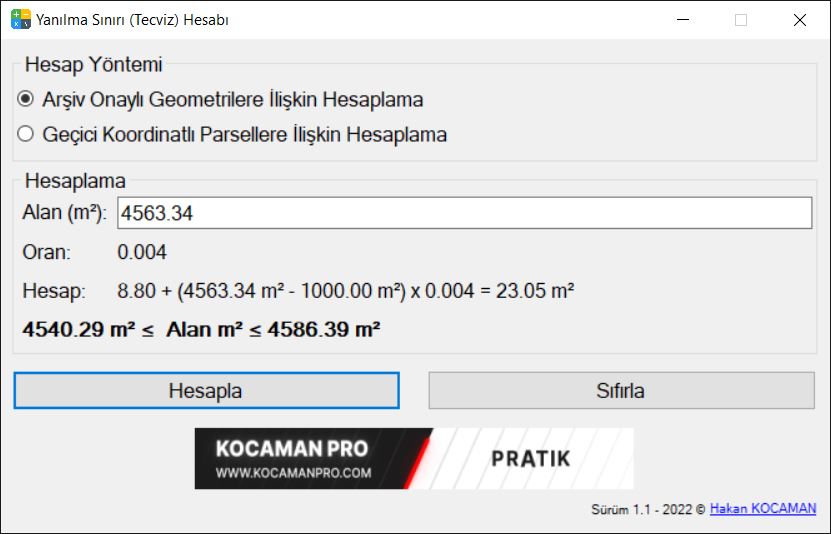
You can use the application directly by extracting it from the compressed file without installing it on your Windows computer. Click here to download the application.
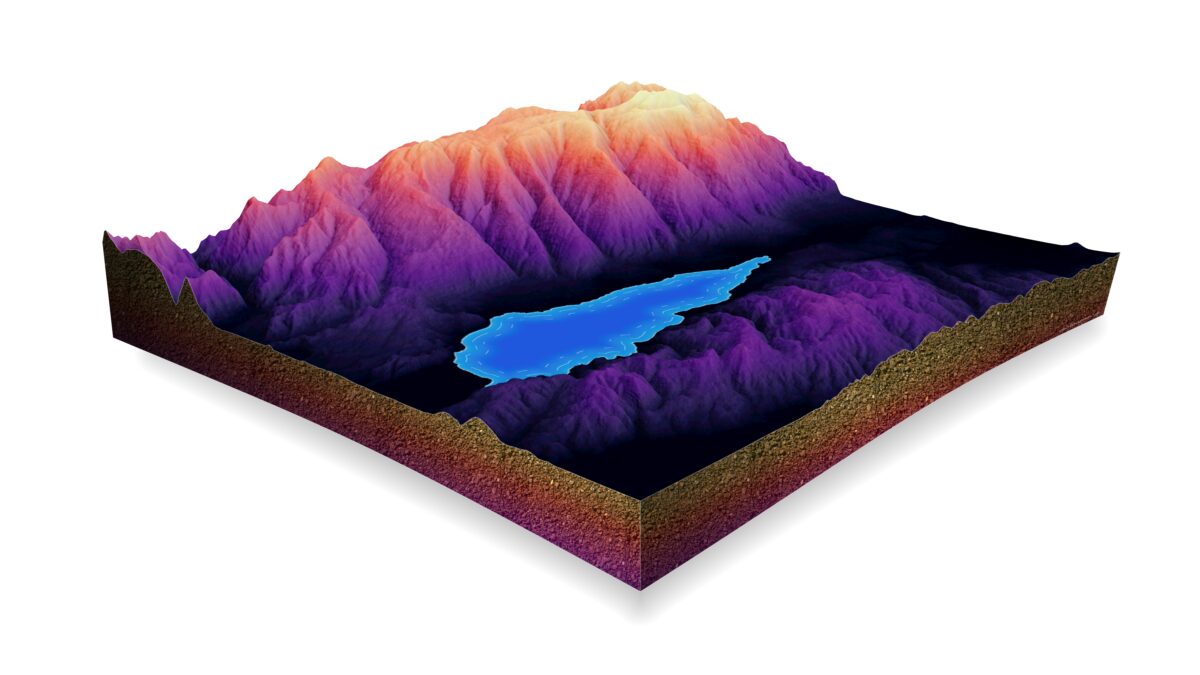
As it is known, ESRI now develops ArcGIS Pro product in accordance with 64bit architecture instead of desktop GIS software ArcMap. In this context, I have been using ArcGIS Pro in my work since the day it was published. I even have a tutorial on using ArcGIS Pro available on the UDEMY platform (Click here to view the tutorial). It is quite simple to make 3D maps with ArcGIS Pro, which adds new features every day and contains a lot of capabilities.
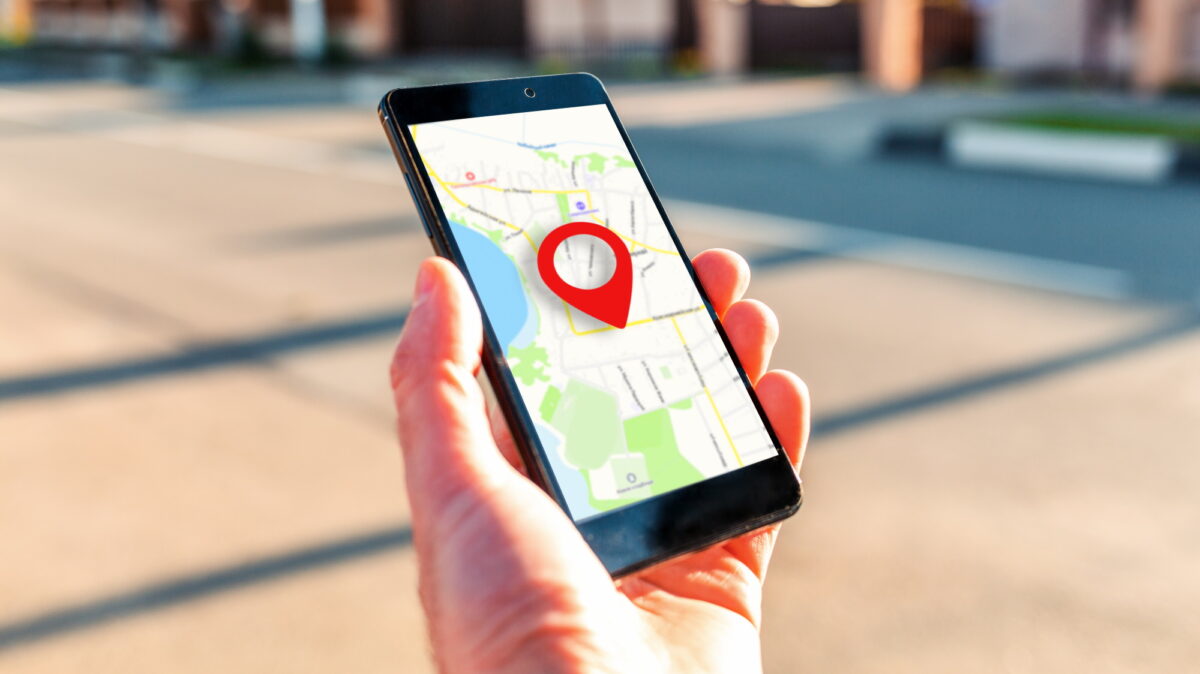
In fact, is it possible to position as if we were in a place we have never been to or where we were not there at that moment, or to act on applications as if they were there without going to different locations? Yes, it is possible to do this with the “mock location” (also known as “fake GPS”) feature on mobile devices with Android operating system.

The 1.4 version of the mobile application named Coordinate Transformator, which was published on Google Play for Android devices in March 2019, which allows the rapid conversion of EPSG codes and the coordinates of different coordinate reference systems using epsg.io web services, was released.
Continue reading Coordinate Transformator Updated! So What’s New This Version?
Leave a Comment